What to Eat Before and After Surgery: A Complete Guide to Healing Nutrition
Preparing for surgery is not just about scheduling appointments and arranging time away from work. It is also about preparing your body to heal. What you eat in the weeks before and after surgery can have a powerful impact on your recovery. From tissue repair to immune support and inflammation control, nutrition plays a foundational role in how well and how quickly you heal. Unfortunately, many patients receive little to no guidance on what to eat during this critical period. That is why we have created this complete guide to healing nutrition: to help you fuel your body for the best possible recovery.
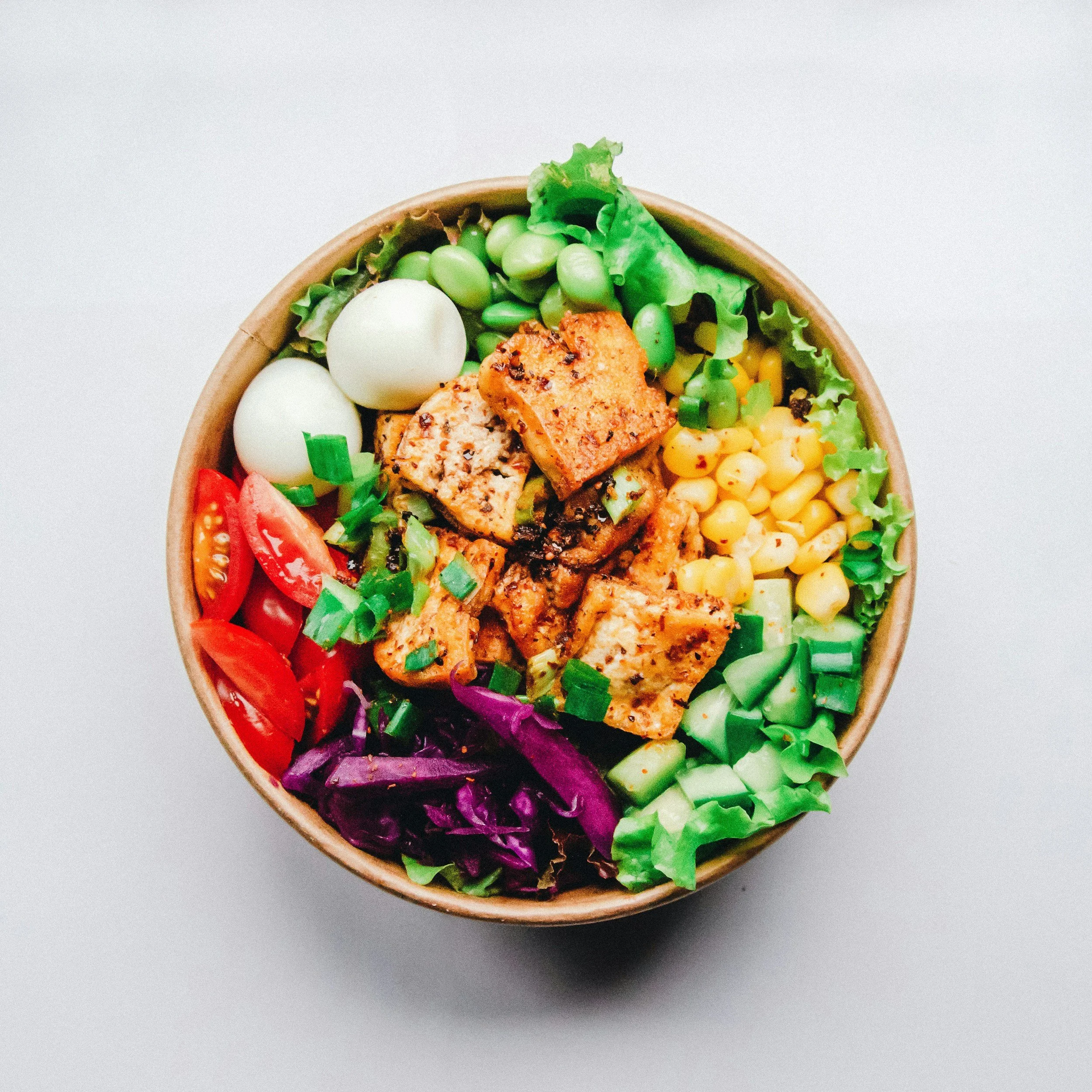
Before surgery, your goal should be to build resilience. Focus on high quality protein sources such as eggs, fish, poultry, tofu, and legumes to support tissue strength and muscle maintenance. Incorporate healthy fats, especially omega 3 fatty acids from sources such as salmon, walnuts, and flaxseed, to help reduce baseline inflammation. Prioritize a colorful variety of fruits and vegetables, which provide antioxidants and key vitamins such as A, C, and K to support immune readiness and tissue integrity. Micronutrients such as zinc, magnesium, and selenium, often found in seeds, whole grains, and leafy greens, are essential for wound healing and immune function. Staying hydrated is also important, so drink plenty of water and limit dehydrating beverages such as alcohol or excessive caffeine.
In the days leading up to surgery, many patients fast or reduce their food intake due to nerves or preoperative instructions. While fasting protocols should always be followed, it is important not to enter surgery in a depleted state. If permitted, continue eating nourishing, easy to digest meals up until the designated cutoff. In some cases, specific supplements may be recommended to fill nutritional gaps and support optimal healing, especially if you are undergoing a more extensive procedure or have existing health concerns.
After surgery, your body’s nutritional needs increase significantly. Healing requires energy, protein, and a complete range of vitamins and minerals. Appetite may be diminished, but it is important to continue nourishing your body, even in small portions. Focus on protein rich foods, broths, smoothies, and soft, cooked vegetables. Include healing nutrients such as vitamin C for collagen synthesis, zinc for wound repair, and glutamine for gut and immune function. Continue drinking water to support detoxification and tissue hydration. If eating is difficult, this is when targeted supplementation can help fill the gap by providing concentrated healing nutrients in an easy to take form during a time when food alone may not be sufficient.
Remember, recovery does not depend only on what happens in the operating room. It depends on how well your body is prepared to respond. By giving your body the right building blocks before and after surgery, you are setting yourself up for fewer complications, faster healing, and a stronger return to daily life.